Ray Tracer
A ray tracer exploring lights and shadows, and post-processing effects.
Core Features
The features include:
- BVH Traversal: Efficient bounding volume hierarchy for fast ray-scene intersections.
- Lighting Models: Support for Point, Segment, and Parallelogram area lights.
- Post-Processing: Bloom and Depth of Field effects applied after rendering.
Shading Models
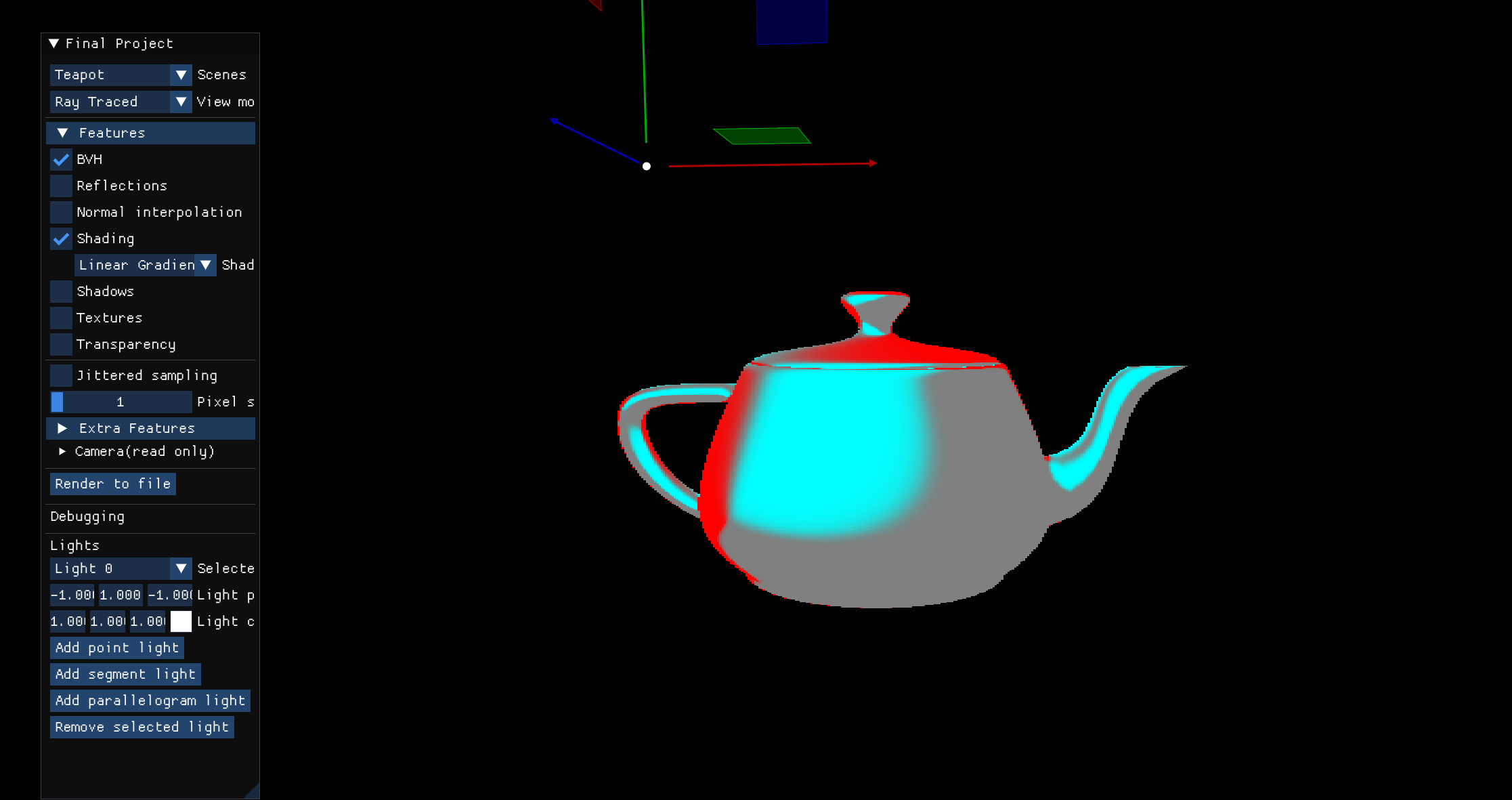
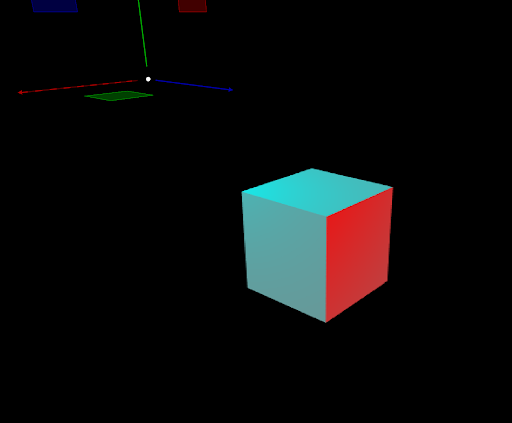
Implemented and compared multiple shading models including Phong, Blinn-Phong, and a custom Linear Gradient shader. The comparison model below highlights the differences in specular highlights.
- Red: Phong dominant (sharp, intense highlights).
- Cyan: Blinn-Phong dominant (broader, softer highlights).
- Gray: Similar contribution.
.png)
Lights & Shadows
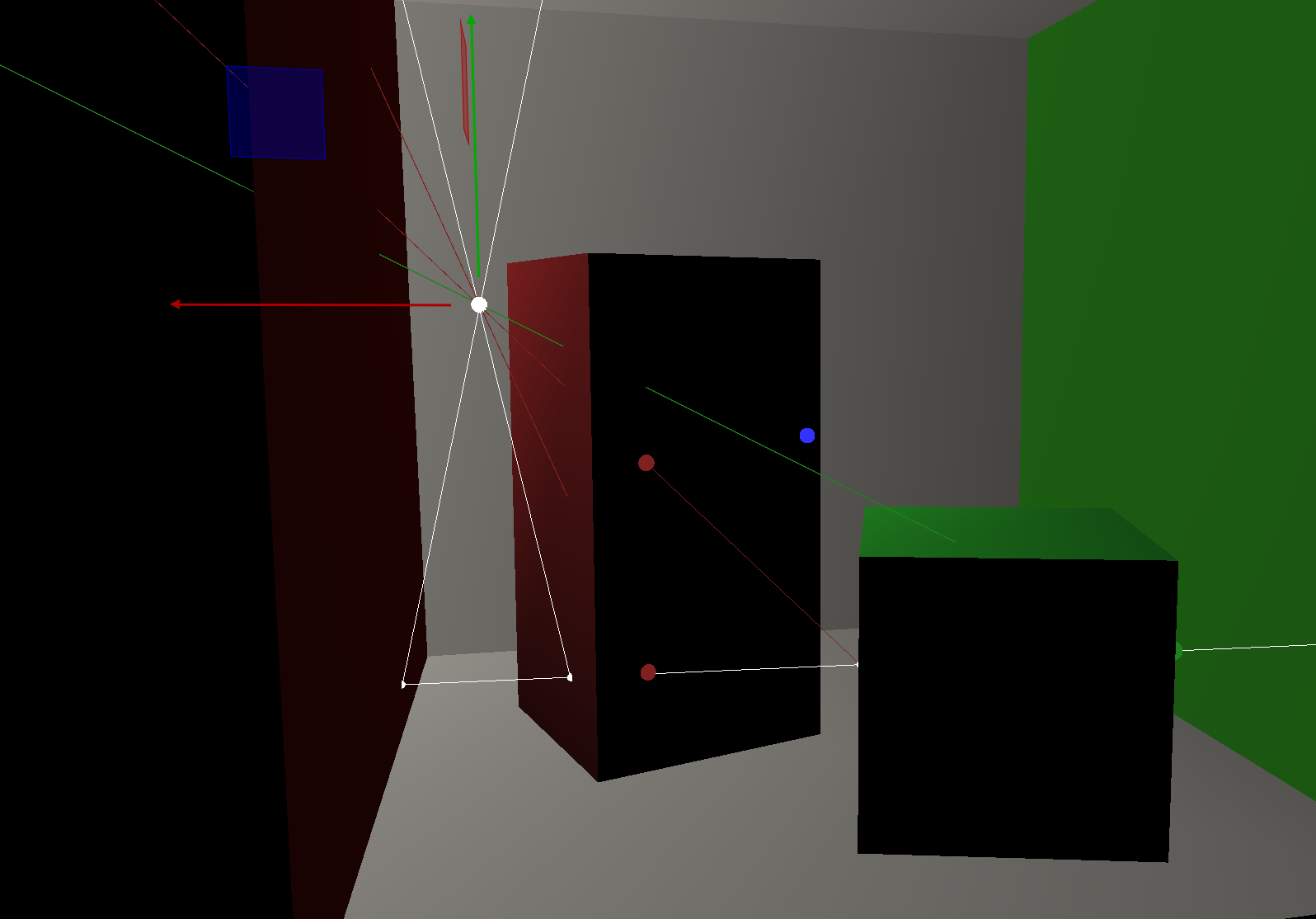
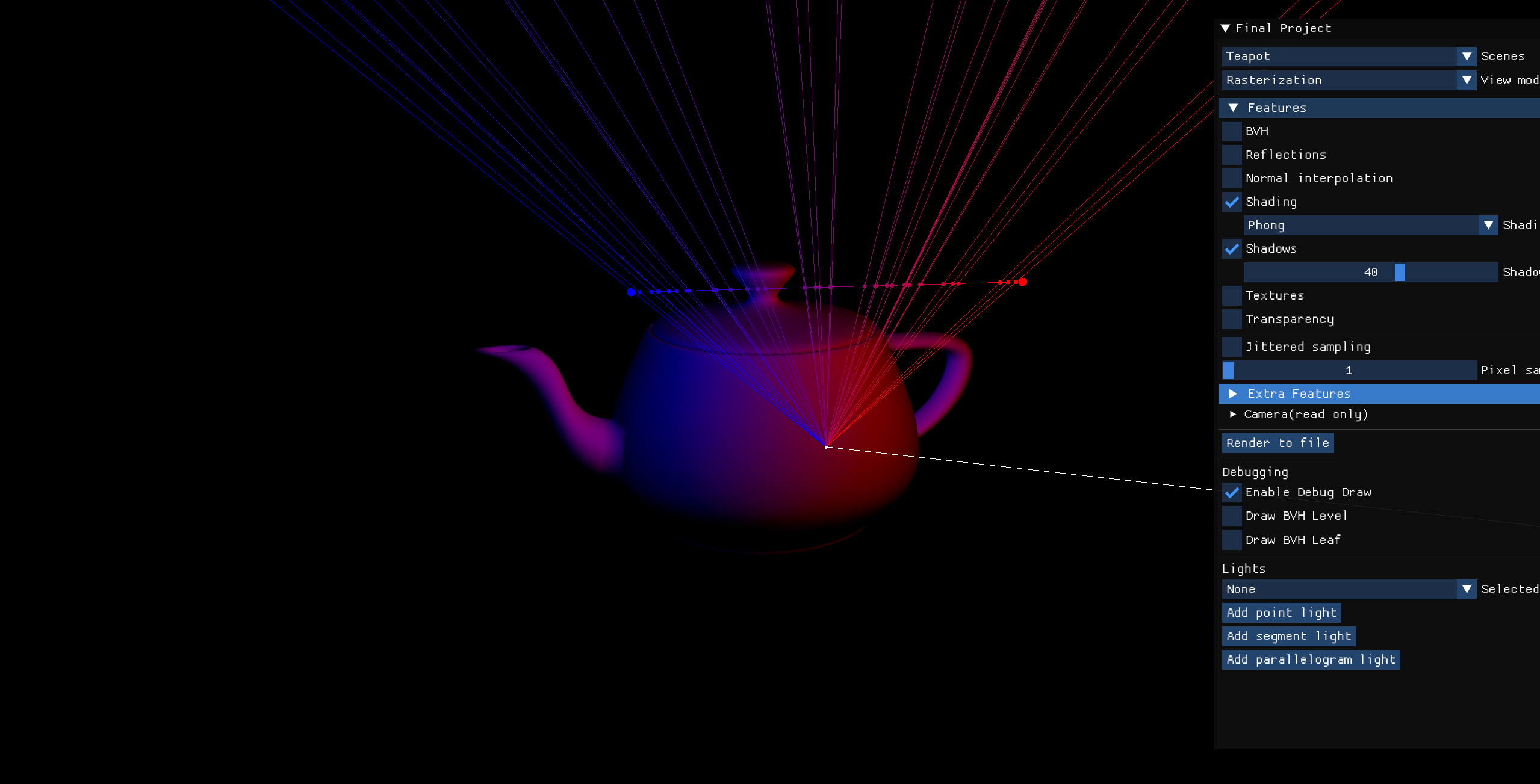
Visibility is calculated using both binary and transparency-based methods. Debug rays visualize the path from intersection points to light sources.
.png)
.png)
Area Lights
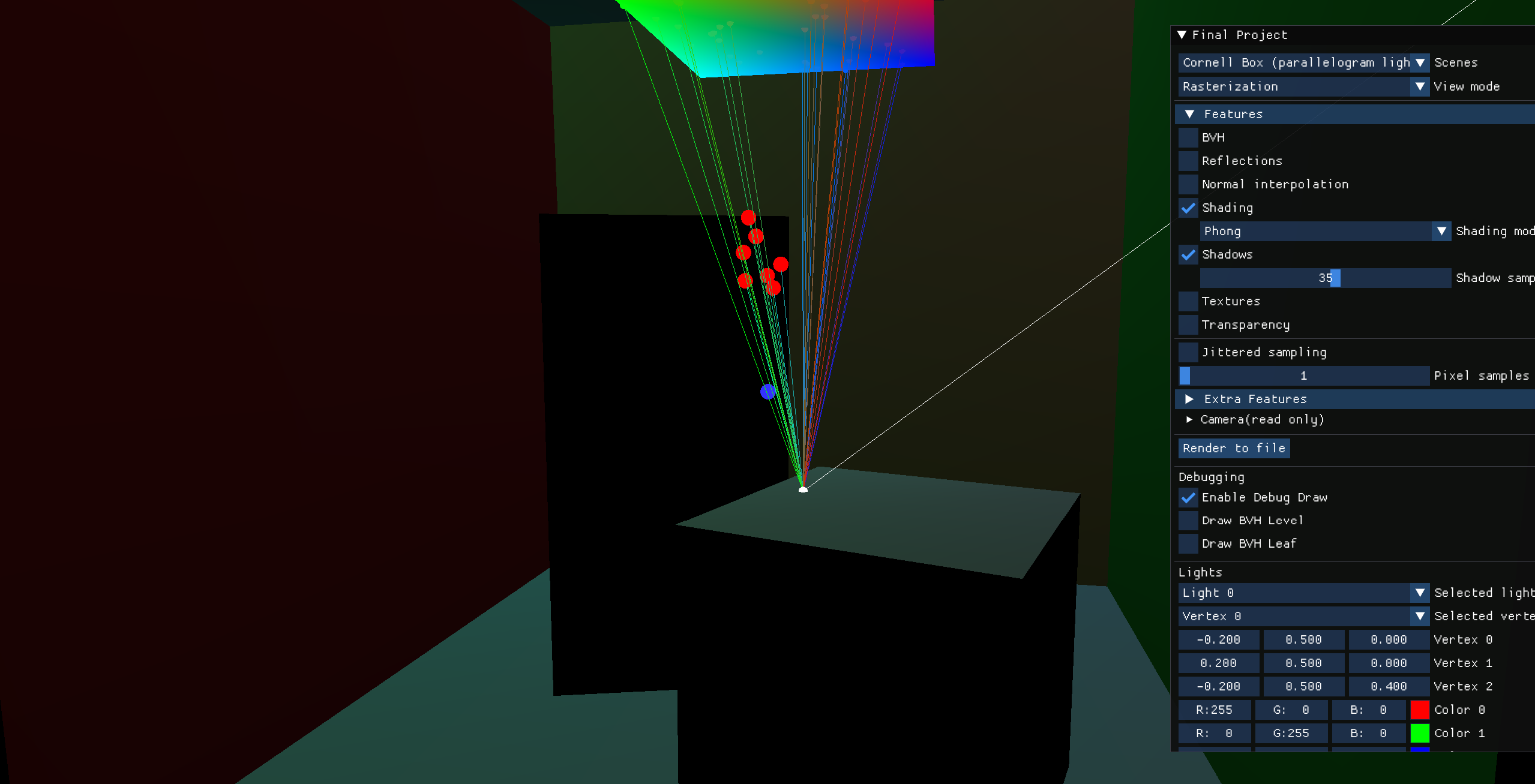
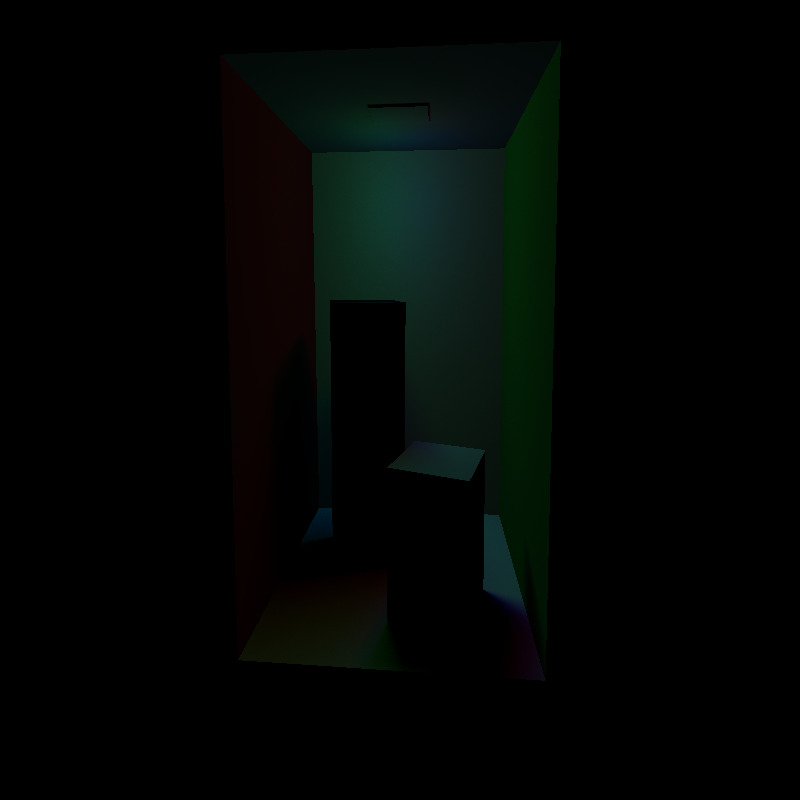
Implemented segment and parallelogram lights to create realistic soft shadows. These require multiple samples per pixel to converge.
Bloom Effect
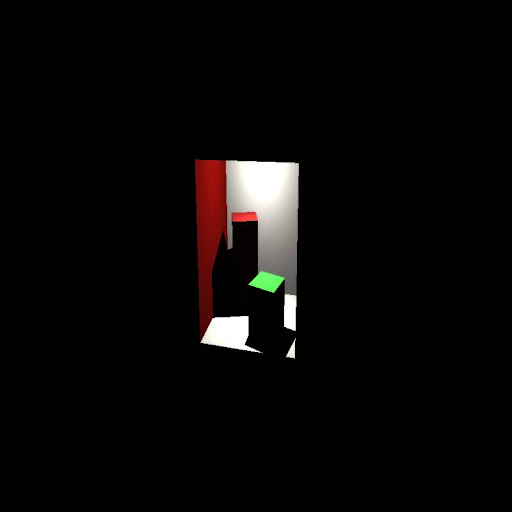
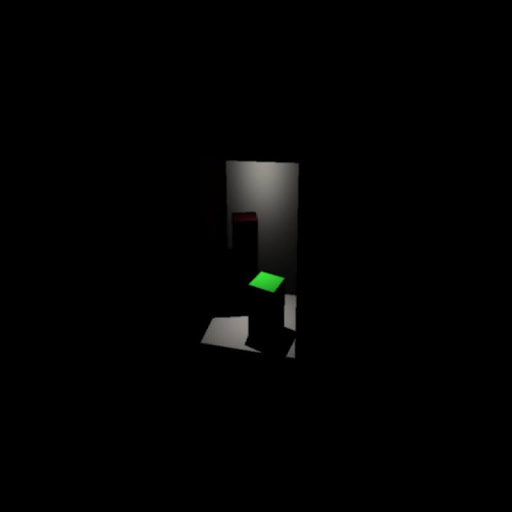
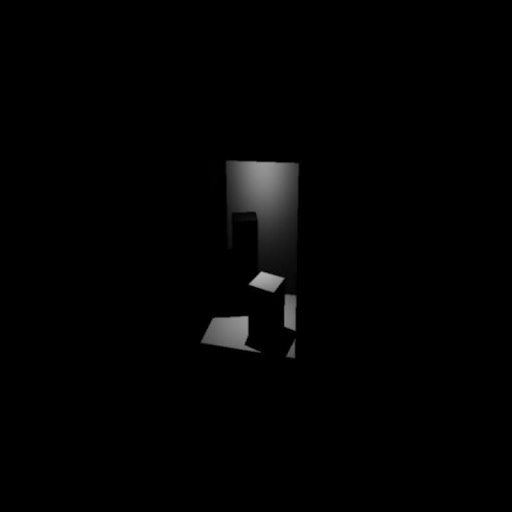
The bloom pipeline extracts bright pixels using a threshold, blurs them using a separable Gaussian filter with binomial coefficients, and adds them back to the scene.
Depth of Field
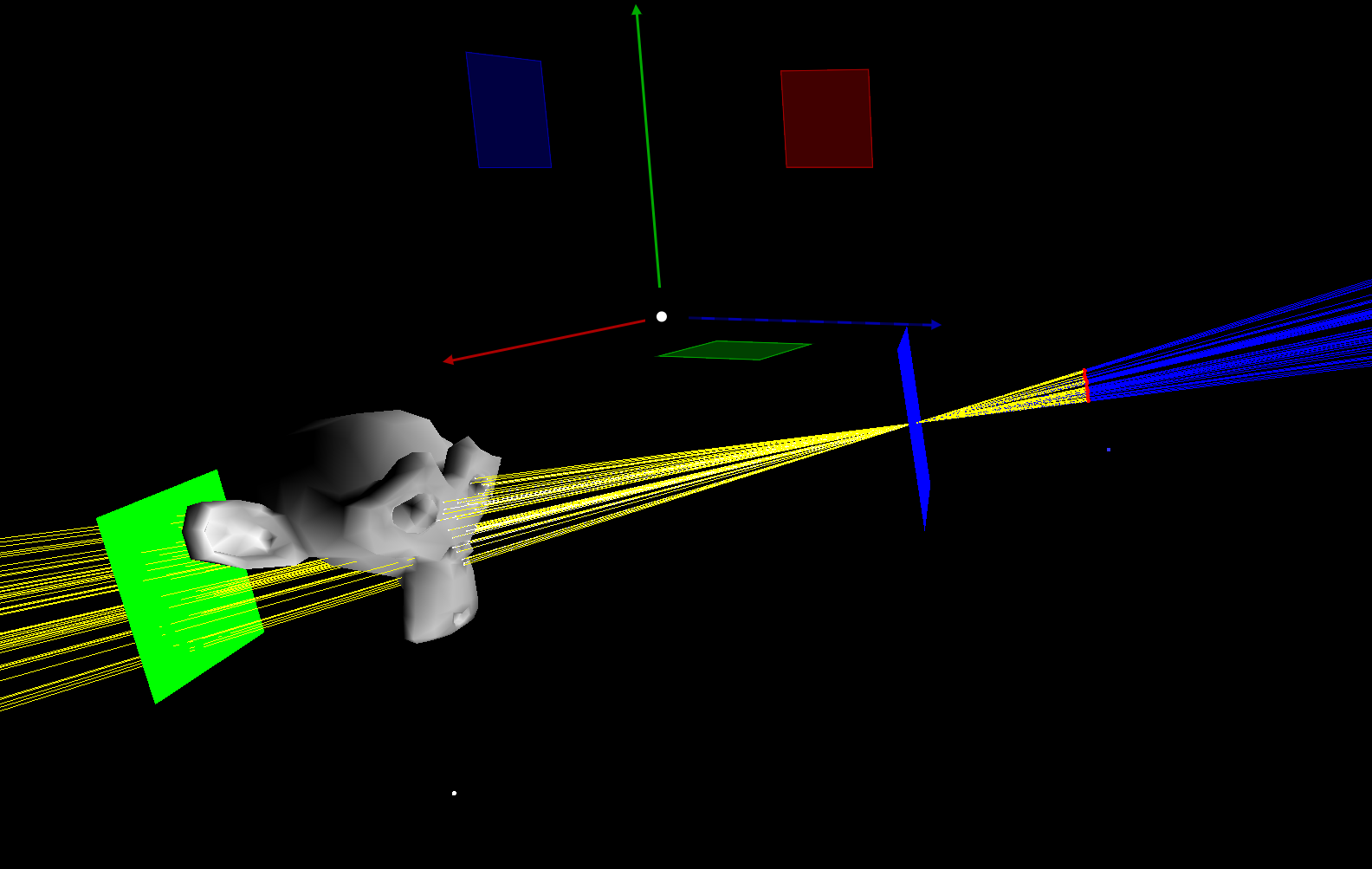
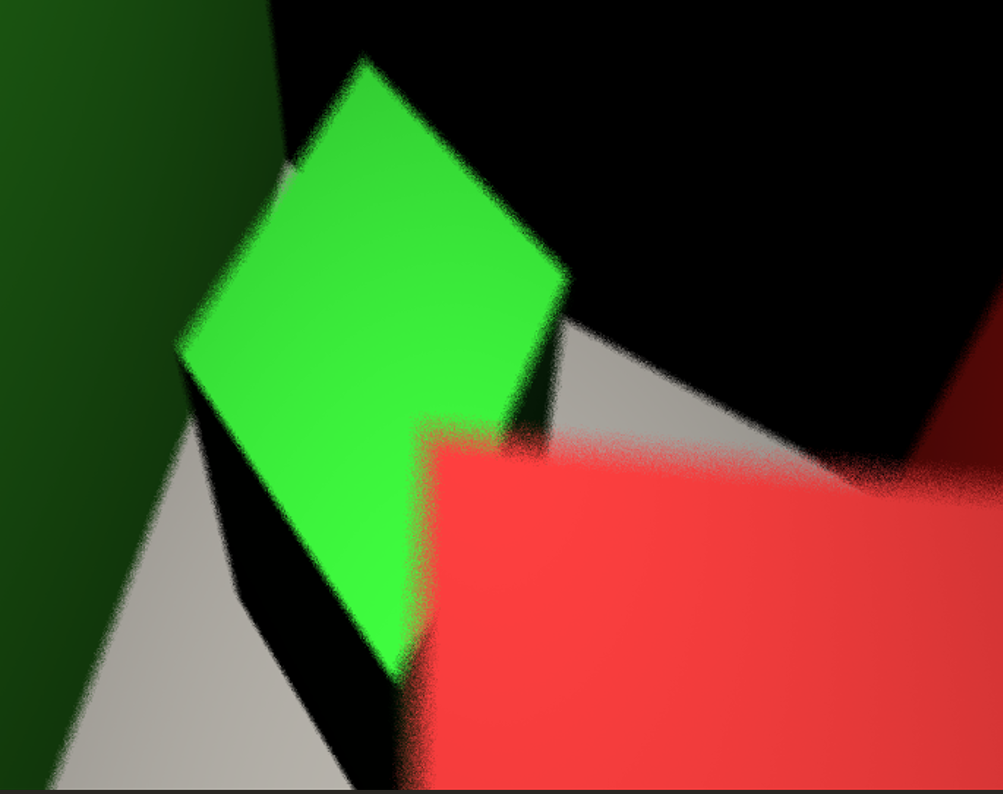
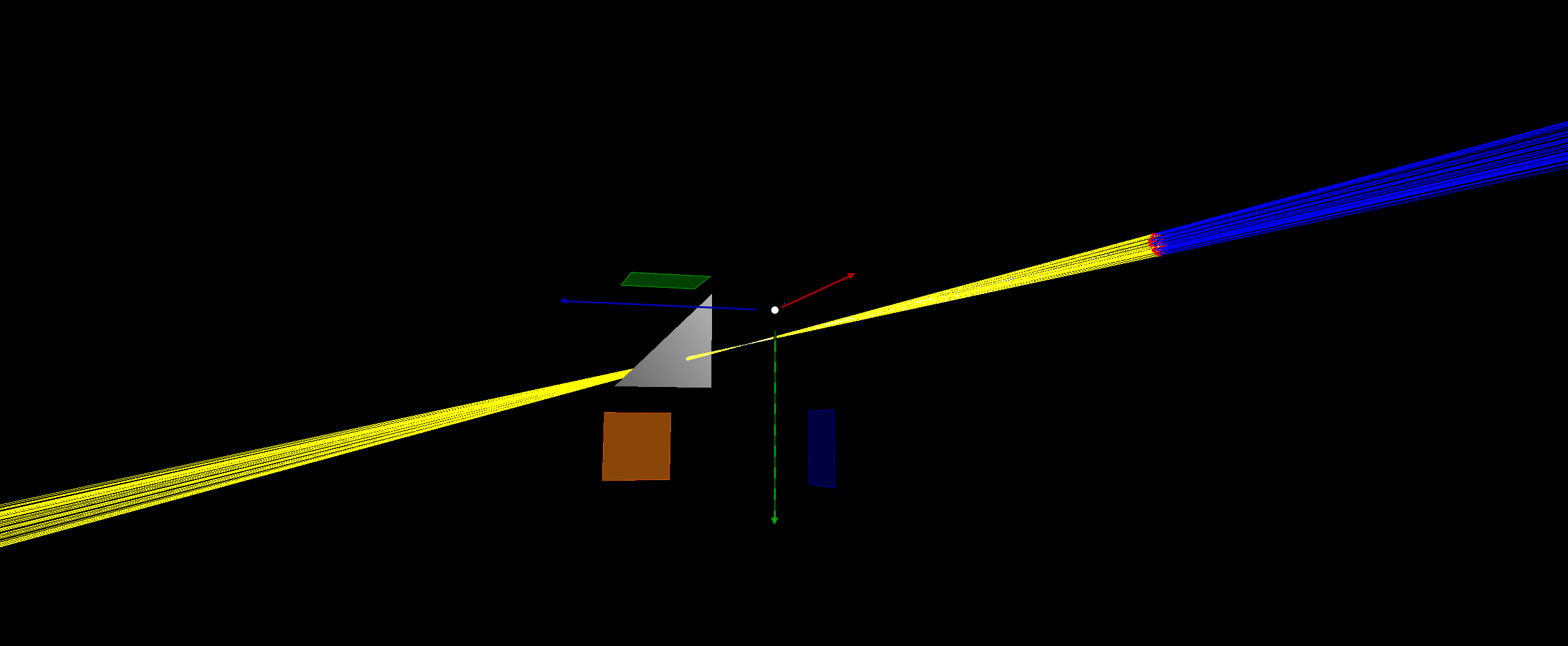
Simulates a thin lens camera. For each pixel, multiple rays are generated by sampling random points on a lens disk, directing them towards a focal point on the image plane.